
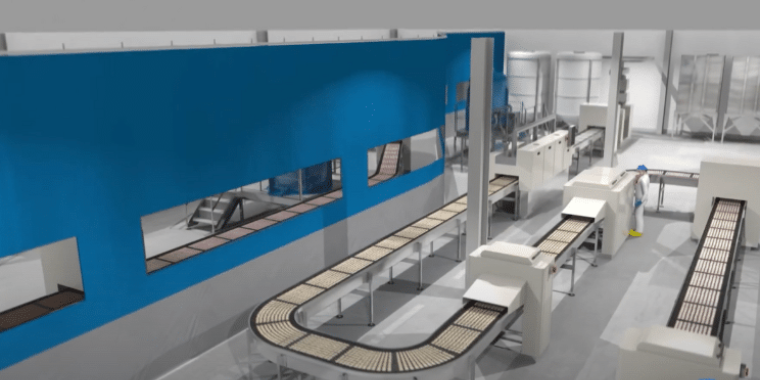
Animated Training Video Production
Enhancing Learning Through Engaging Content
Request an Animated Video Quote
If you need a clear, professional animated video for a business, campaign, launch or training project, we can help you plan the message and turn it into a polished animated asset.
Tell us about your product, your audience and where the animation will be used. We will advise on the best structure, content and next steps for your project.
- Request a Free Quote Receive a clear and competitive proposal based on your video details.
- Speak to a Technical Specialist Discuss your video ideas.
- Book a Consultation Arrange a planning session to fully define your video requirements.
- Design & Animation Once everything is agreed we will create your video.
Animated training video production is a powerful tool that transforms traditional learning methods into dynamic, engaging experiences. By leveraging animation, organisations can effectively convey complex information in a visually appealing manner. This approach not only captivates learners but also enhances retention and understanding. In an era where attention spans are dwindling, animated videos stand out as a solution that combines creativity with educational effectiveness.
Animation Techniques — Crafting Compelling Visual Narratives
The techniques employed in animated training videos are diverse and tailored to meet specific educational goals. From 2D animations to motion graphics, each technique serves a unique purpose. For instance, 2D animation often simplifies concepts through stylised visuals that resonate with viewers emotionally and intellectually. Motion graphics can illustrate data trends or processes dynamically, making them particularly effective for corporate training solutions.
Moreover, the choice of animation style significantly influences learner engagement. Research indicates that incorporating elements such as character design and storytelling into these videos can lead to higher viewer retention rates—up to 60% higher than traditional methods [Source]/TBD. This underscores the importance of selecting appropriate animation techniques based on the target audience’s preferences and learning objectives.
Benefits of Animated Training Videos — Why Choose Animation?
Animated training videos offer numerous benefits over conventional instructional materials. One primary advantage is their ability to simplify complex topics through visual representation. For example, intricate processes can be broken down into digestible segments with engaging visuals that guide learners step by step.
Additionally, animated content fosters creativity and encourages exploration among learners. The interactive nature of these videos allows users to engage actively rather than passively absorbing information. Studies show that active participation during learning increases knowledge retention by up to 75% [Source]/TBD. Thus, businesses seeking innovative ways to enhance employee training should consider integrating animated instructional videos into their training programs.
What Are the Benefits of Animated Training Videos?
- Enhanced Engagement: Viewers are more likely to stay focused when presented with vibrant animations compared to static images or text.
- Improved Retention: As previously mentioned, the combination of audio-visual elements aids memory recall.
- Cost-Effectiveness: Once created, animated content can be easily updated without incurring significant additional costs associated with live-action shoots.
- Accessibility: Animated videos can cater to various learning styles—visual learners benefit from imagery while auditory learners gain from voiceovers.
How To Create an Animated Training Video? — A Step-by-Step Guide
Creating an effective animated training video involves several key steps:
- Define Objectives: Clearly outline what you want your viewers to learn or achieve after watching the video.
- Scriptwriting: Develop a concise script that conveys your message clearly while maintaining viewer interest.
- Storyboarding: Plan out scenes visually before production begins; this helps ensure cohesion throughout the narrative flow.
- Character Design & Voiceover Selection: Characters should align with your brand’s identity and resonate with your audience; choose voiceover artists who bring energy and clarity.
- Production Using Animation Software: Utilise tools such as Adobe Animate or Vyond to create high-quality animations efficiently.
By following these steps meticulously, organisations can produce compelling educational content tailored specifically for their audiences’ needs.
What Tools Are Used for Animation Production?
Several software options exist for producing high-quality animations:
- Adobe Animate: A versatile tool favoured by professionals for its robust features in creating vector-based animations.
- Vyond: Known for its user-friendly interface, which allows non-designers to create professional-looking animations quickly.
- Powtoon & Camtasia: These platforms offer templates ideal for beginners looking to create simple yet effective animated content without extensive technical skills.
Each tool has distinct advantages depending on project requirements such as complexity level or desired output format.
Types of Animated Training Videos — Diverse Approaches
When considering types of animated training videos suitable for different contexts:
- Explainer Videos: Short clips designed specifically to explain concepts succinctly; ideal for onboarding new employees or introducing products/services.
- Interactive E-Learning Modules: Incorporate quizzes or branching scenarios that let users control their learning paths, thereby further enhancing engagement.
- Microlearning Animations: Focused lessons delivered in bite-sized formats catering especially well towards busy professionals seeking quick refreshers on specific topics.
Each type serves a unique purpose within corporate environments, aiming to maximise learner impact while minimising time investment per session.
In summary, adopting animated training video production offers transformative potential across various sectors—from educational institutions aiming to enhance student engagement to corporations enhancing workforce development initiatives through creative methodologies tailored to modern digital consumption habits today!
For organisations ready to embrace this innovative approach to knowledge transfer effectively—consider exploring reputable production studios that specialise in crafting bespoke solutions perfectly tailored to organisational needs!